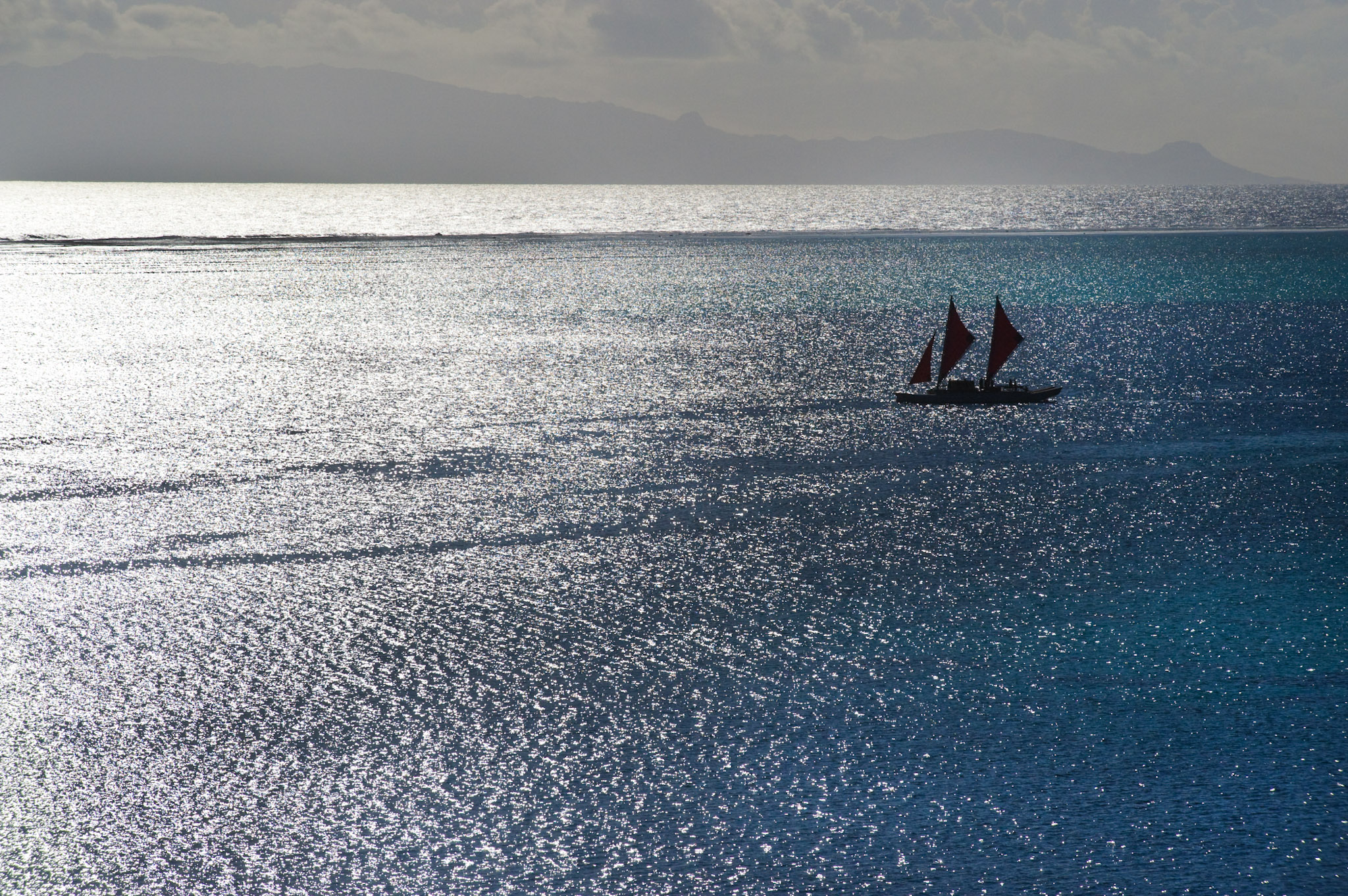
Oceania
Long before the compass, chart, or GPS, navigators crossed Oceania, the largest expanse of open water on Earth.
They read the movement of stars across the night sky, the rhythm of ocean swells, the flight paths of seabirds, the way light gathered on the horizon before dawn. From observations that seemed unrelated, they built a single, precise understanding of where they were and where they were going.
This is the enduring science of wayfinding. Today, it shapes how global leaders navigate uncertainty.
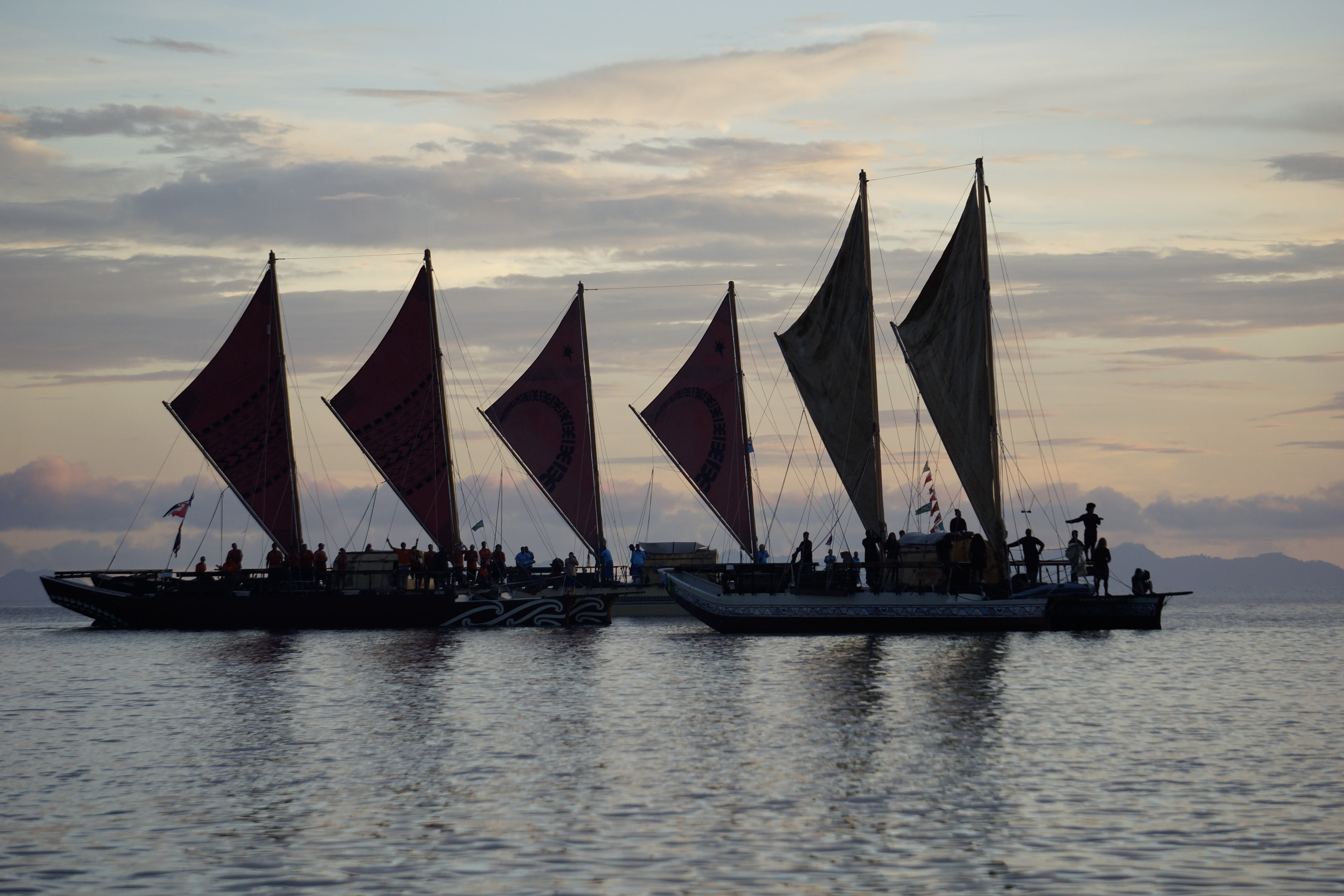
The Navigator
A navigator is someone trained to find direction when there are no landmarks.
Grandmaster Navigator Mau Piailug began his training at the age of four, learning at the feet of his grandfather on the island of Satawal. By the time he was grown, he carried in his mind a living map of the stars, the ocean, and the world between them.
What Mau transmitted was more than technique. It was a way of seeing, a discipline of attention refined over a lifetime.
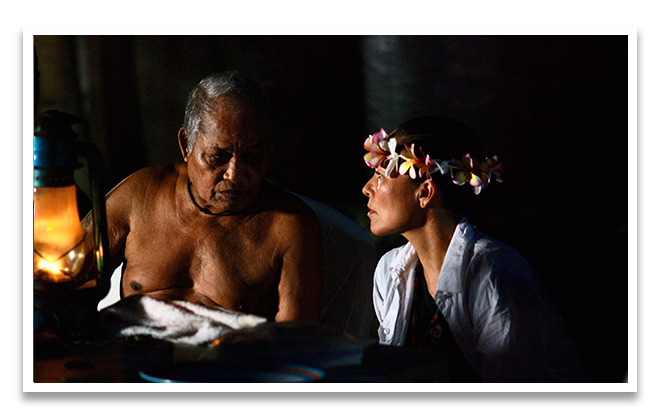
The Star Compass
The star compass exists only in the navigator's mind: a model of the horizon built around the rising and setting points of the stars, the sun, and the moon.
Polynesian and Micronesian traditions taught it differently. The result was the same: a navigator who could look at the horizon and know, by day or by night, which direction they faced. An apprentice studied for years, until the night sky itself became a compass held entirely in the mind.
The training builds something deeper than memory: the inner architecture beneath every decision.
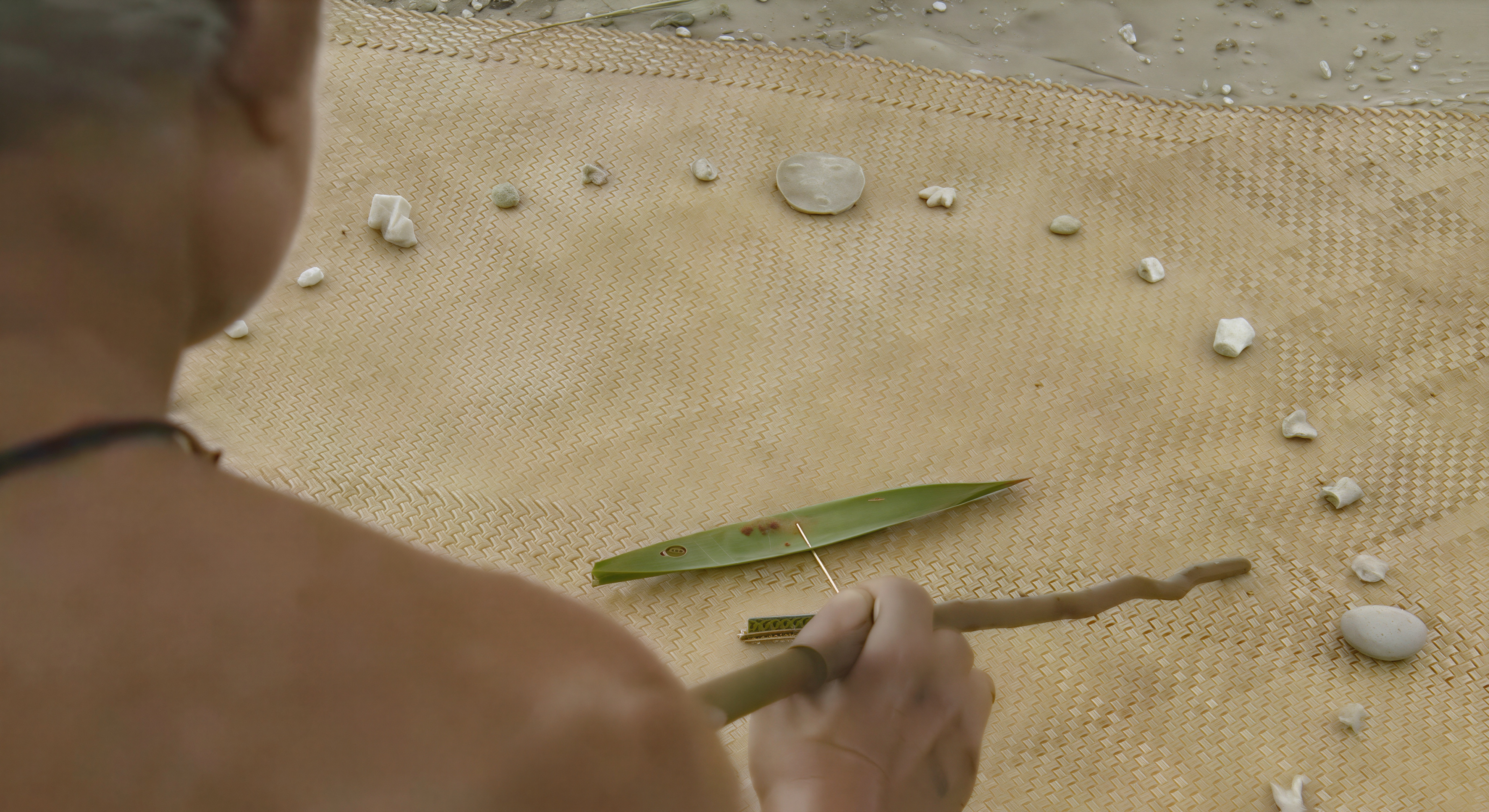
Reading the Ocean
The star compass gives direction. For position and progress, the navigator turns to the ocean.
A trained navigator reads swell patterns from the canoe: swells driven by distant weather, waves reflected from islands beyond the horizon. Cloud formations, water color, the behavior of birds all reveal land long before it appears.
No single observation is enough. The discipline is holding all of it at once and from it, knowing where you are.
I ka wā ma mua, i ka wā ma hope.
We find our way forward by understanding what has come before.
Pwo: The Initiation
Pwo is the sacred initiation by which a master navigator is recognized. It is not a graduation. It is a covenant.
The Pwo navigator is bound not only to the knowledge but its continuation. What has been received must be protected, practiced, and passed on. The navigator holds it for the people, and holds it for the sea.
For more than half a century, the Pwo ceremony was believed to have ended. Mau brought it back, ensuring that the time-honored tradition of wayfinding would not die with him.

Why It Matters Now
We're in a disorienting passage. Technology accelerating, familiar structures collapsing, a widening gap between the maps we were given and the reality in front of us.
The instruments we trusted are failing. The frameworks we relied on were built for conditions that no longer exist. We're leading in conditions we're not prepared for.
This isn't a new condition. The wayfinders knew it. They built a discipline for it: position-fixing, synthesis, recalibration, the courage to navigate without waiting for certainty.
That discipline doesn't belong to the ocean. It belongs to anyone willing to learn it. That is wayfinding leadership.